Plus: A preview of my coming book For Crying Out Love: Transform Suffering Through Gospel Stories, Prayer, and Love
Here in the northern hemisphere, we are in the season of waiting, the season of darkness and cold waiting for more light and warmth. It could last a total of six months — longer in some places.
There is such a range of emotional experiences when we speak of waiting, from enduring ongoing pain to anticipating joy. Using the opening line of Psalm 13, I pray, “’How long, my Beloved?’ How long will we have to suffer while waiting for active justice and love to pervade our world.” In contrast, I just learned I’ll be waiting only a matter of months until my book is published.
I bring up my book because it has everything to do with waiting in the midst of suffering — and prayer. I thought I would reflect here on waiting and prayer while also giving you a preview of my book’s spirit and structure.
Let’s start with the Gospel story of Jesus’s birth, and focus on what led up to it or its context. I’ll also include what happened after Jesus’s life, passion, death, and resurrection. I do this to highlight the wounds or suffering inherent in waiting often overlooked in our well-known stories. When we overlook suffering, we miss out on relationship. It is people and other living things who suffer. When we overlook their experiences, we lose opportunities to accompany and aid them, as well as to attune ourselves to Love and be Love to them. When we miss opportunities for empathy, we lose opportunities to further justice.
So let’s put waiting for the birth of Jesus in perspective. In Christian tradition we wait for a month (Advent) for the birth of Jesus. For perspective, imagine Mary waiting close to nine months! And in regard to a savior, the Jewish people were suffering and dying while waiting for the Messiah. They waited in the midst of a brutal Roman occupation that was a part of their daily lives for years before Mary’s pregnancy, and would last for years beyond Jesus’s birth, life, death and resurrection. In fact, the Jewish people had been waiting for the Messiah and relief for thousands of years amidst suffering and death. In the experience of many, Mary and Jesus, both Jews, did not bring relief.
When we suffer, our most natural feeling is that we can’t wait for relief. If relief doesn’t come quickly, once and for all, we are forced to wait. How do we respond to waiting? We cry out. For help, for relief, in pain, in anger, in regret, in despair, protesting, complaining, lamenting. All these cries are prayer.
When we cry out, we pray. Crying out is relational. It occurs within relationship. We desire to be heard and implicitly imagine being heard. We desire a loving response, one that would bring relief. We at least implicitly imagine being heard by a compassionate loving listener. We are crying out to Love, present and listening compassionately. Often times we experience our prayers answered lovingly through our relationships. Prayer is healing the way love is healing. I hope you can see that this is a very natural, experience-near, relationship-oriented approach to prayer.
In each chapter of my book, I focus on a kind of suffering that I illustrate through a Gospel story. Here I am highlighting the suffering inherent in much of our waiting. I focus on Mary and Jesus as Jews. I ask what was going on before her pregnancy and after his resurrection. I contextualize these Gospel stories within the Roman occupation and the historic suffering of the Jewish people.
Within each chapter of my book, the suffering at the heart of every story persists or recurs. That suffering is not cured or relieved once and for all by Jesus. In fact, I often imagine the people in those stories confronting the compassionate Jesus with their suffering. That is very direct prayer. They are praying relationally with and to Love.
In the Gospel story I am highlighting here, anyone present could have responded within his or her relationship with Love and cried out, “Why now? Why not sooner? Jesus, why didn’t your love and justice have more of an impact? Why didn’t you heal everyone? Why didn’t you bring love and justice everywhere? And, O Beloved, how much longer do we have to wait?”
In each chapter, I share a contemporary story from my own life that reflects the suffering in the scripture story and this relational way of praying with Love. In regard to waiting, suffering, and prayer there is no more powerful story than the Civil Rights Movement.
We made our recent pilgrimage to honor our Civil Rights Movement history and to make a statement in support of that history being remembered and taught truly, not forgotten, not distorted, not suppressed, not repeated, and not continuing. I came away with four powerful impressions:
It was all so much worse than any one of us can imagine: the history of suffering and injustice; and the waiting.
It is so much worse than any one of us can imagine. The current injustices, the power of the forces to repeat, and the waiting for our national conversion to the active valuing of love and justice.
The progress that was made was always so close to not happening – at so many points, for so many reasons. Yet, progress was made and is still being made on the edges of our culture.
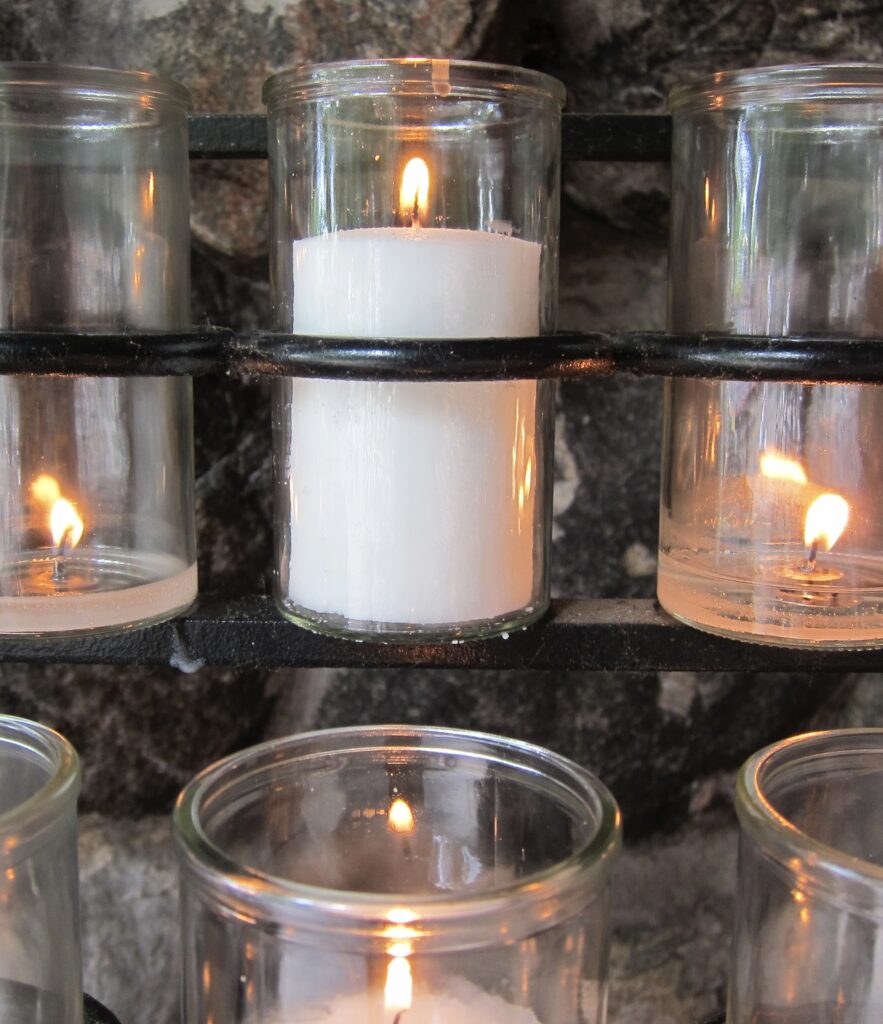
The flame of progress was kept alive by suffering people and people of empathy. They cried out, for love and justice, praying, to Love if no one else, often through their broken bodies. Then others responded. Most of the responders were people suffering themselves. Over time and against overwhelming odds, the responses gained momentum and formed organizations, communities of action, for love and justice. Sometimes that momentum was spearheaded by churches, sometimes it was kept alive by door-to-door outreach, and other times it was aided by the active empathy of distant strangers.
During our pilgrimage, we experienced first-hand a very small but significant portion of all this. We came with empathy and openness, wanting to learn, meet, and witness. We were met with empathy and appreciation. We all felt the flames of justice and love getting a little stronger, having a little more fuel to continue burning. Our active, relational, embodied prayer was compassionately engaged.
This season of waiting that is so evocative emotionally has many blessings. Through suffering we might see as Love sees; and through beauty, creativity, positive relationship, and the awe and wonder inherent in our earth and universe we may see the bounty of Love.
May the blessing of this season lead to more love in your life and the world.
Share your thoughts